Why Listen, Align, Lead

What if your sales numbers look solid, but your customers are quietly slipping away? Many leaders focus on traditional sales metrics — conversion rates, revenue growth, churn percentages — assuming these numbers tell the full story. Yet beneath these familiar figures lie hidden risks that can quietly erode your business over time. Relying solely on Read More …

Own the Voice of the Customer (VoC)

When manufacturers treat marketing as an afterthought, they pay for it in rework, missed windows, and products that land softly with customers. This article argues for a different posture: one in which marketing does not echo the market; it owns the Voice of the Customer. That ownership means capturing customer signals early, turning them into Read More …

The Efficiency Trap: Why “Lean Marketing” Falls Short of True Brand Growth

The Core Conflict: Waste Elimination vs. Market Penetration The “Lean Way” of customer centricity—derived from the manufacturing principles of maximizing value and eliminating waste (Muda) across the value stream—has been widely adopted in marketing. At first glance, Lean Marketing seems perfect: it focuses on efficiency, agility, and reducing friction (a key component of Physical Availability). Read More …

The Different Levels of Perspective in Sales Engagements

Using The Systematic Process of The Different Levels of Perspective in Sales Engagements All five levels are even important to address in most selling situations. Of course, sales live in an event—orientated world, and most of our efforts will be directed in that area. The highest leverage action we can take is determined by the Read More …

Marketing with PDCA

Marketing with PDCA is about managing a value stream using PDCA (Plan-Do-Check-Act). Using the new SALES PDCA Framework throughout the marketing cycle will provide constant feedback from customers, and can only occur if they are part of the process. It is about creating value in your marketing that a customer needs to enable him to Read More …

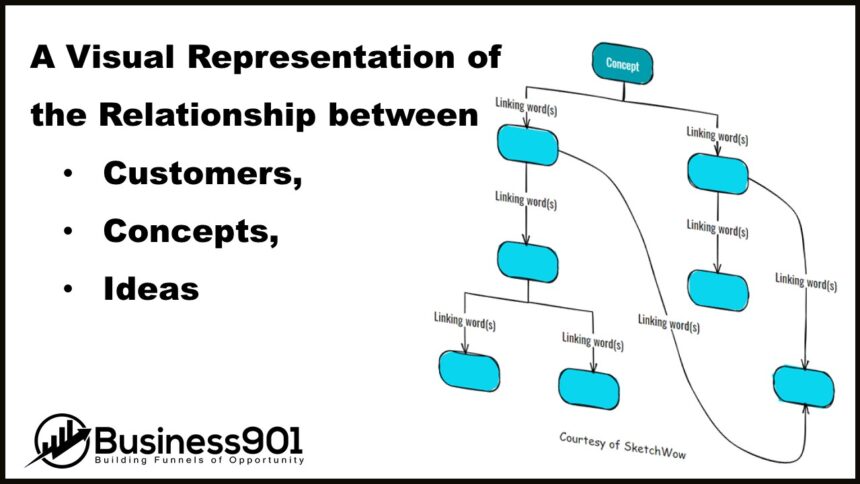
A Visual Representation of the Relationship between Customers, Concepts, and Ideas

A sales inquiry conceptual map can help you understand the relationships between different concepts and identify the key ideas you need to focus on. To create a conceptual map, start by brainstorming a list of key concepts related to sales inquiry and then link them together with precise phrases. This visual represents the relationships between Read More …